An Operating Model That Keeps High Rotation Boring
Consumer goods don't break because you ship fast. They break when rotation and exceptions aren't controlled: inbound that arrives 'mostly right,' SKU variants that drift, expiry and lot reality that isn't captured operationally, and returns or damages that bleed back into sellable stock. High velocity amplifies small ambiguity.
✓ Inventory truth · ✓ Rotation discipline · ✓ Exception control
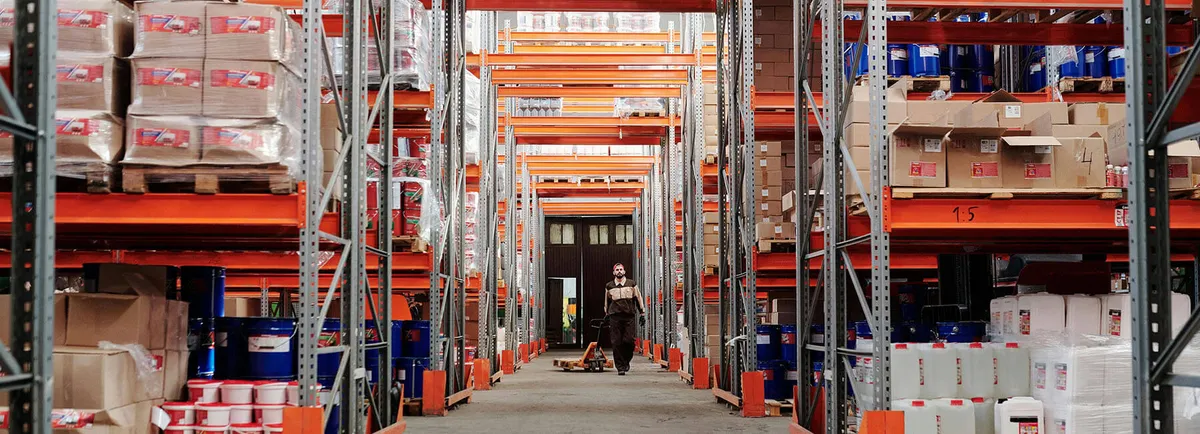
WHERE CONSUMER GOODS BREAK
The failure modes that keep coming back
These problems don't require heroics — they require rules, checkpoints, and clean handoffs.
Inbound Variance Cascading
A supplier delivers 98 units instead of 100, or substitutes a variant without notice. The shipment is logged as 100 and stored without counting. Two weeks later, inventory shows 100 but the shelf has 98.
Master Data Gaps
A SKU arrives with a new barcode, but the system master record still references the old code. Pickers can't locate the item, or they locate the wrong variant. Orders sit in hold or ship wrong.
Label and Pack Configuration Drift
A SKU's carton design changes, or the units per inner pack increases from 12 to 24. Some inbound is relabeled to the new standard; some is mixed with old stock. Pickers grab either version.
Rotation Rules Not Operated
FIFO/FEFO exists as a documented process but isn't enforced in the system. A picker grabs newer stock first for convenience. Later, older stock with a nearing expiry date can't be moved before expiry.
Returns Bleeding Into Sellable Stock
A return arrives with minor damage and is put back on the shelf without assessment. Later, it ships to a new customer and is returned again. This creeps into a chronic rework cycle.
THE CONSUMER GOODS TRADE-OFF
Throughput rewards control, not speed
Everyone wants faster dispatch. But in consumer goods, speed without control creates a backlog of corrections you can't clear — and availability you can't trust. We treat inbound reality as a verifiable fact, and we treat repeat exceptions as signals that must become rules. That's how the operation stays stable as SKU count and channel mix grow.

WHAT GOOD LOOKS LIKE
A high-rotation operation that's predictable to run
'Good' isn't heroic. It's repeatable. It's an operation where the system and the shelf agree, and exceptions follow a clean path.
- Receiving is verified against what was expected — discrepancies logged and segregated before they contaminate inventory
- Inventory stays truthful — system matches physical reality, drift is traced to source
- Rotation rules are explicit when relevant — FIFO or FEFO operated as rules, not optional processes
- Labeling and pack configuration are versioned — supplier changes treated as spec updates
- Exceptions are segregated and resolved by rule, not memory

HIGH ROTATION DISCIPLINE
High rotation means keeping truth when conditions change fast
High rotation means inventory that moves quickly — daily or multi-daily turns, high SKU count, frequent inbound replenishment, and tight availability windows. The challenge isn't handling volume; it's keeping truth when conditions change fast.
- Receiving discipline that keeps pace with inbound frequency — each event verified before it enters sellable inventory
- Inventory counts that stay current — weekly or twice-weekly cycle counts on high-rotation SKUs
- Stable identifiers across the chain — master barcode cross-reference tested before code changes enter live stock
- Pack configuration clarity — documented and enforced per receiving location
OPERATING MODEL
Consumer goods fulfillment as a controlled system
We run a defined operational flow with explicit controls at each step. The practical rule is simple: we clarify inputs before we move fast.
Receiving with Verification
Verify what arrived against expected references. Discrepancies — shorts, overs, substitutions, damages — logged and segregated before they contaminate inventory.
Inventory Truth
System inventory matches physical reality. When drift occurs, reconciliations happen with clear rules: physical count wins, system is corrected, variance traced to source.
FIFO/FEFO Discipline
Rotation operated as system rules, not suggestions. Pick algorithm sorts by expiry date first. Expiry checking at dispatch validates no unit ships within minimum window.
Returns Triage
All returns triaged to three grades: sellable, rework, or nonconforming. Grade rules documented and trained. Grade decisions logged and auditable.
Labeling and Version Control
Barcode generation, carton labeling, version control, supplier specification alignment. Old stock cleared or relabeled before new stock is mixed in.
Quality and Inspection
Inbound sampling, AQL when variance justifies inspection, damage documentation. Exception logs become evidence to change inbound rules or supplier terms.
YOUR OPERATIONS BASE IN SPAIN
Valencia region — close to the port, designed for controllable growth
Short handoffs from port to warehouse reduce handling and delay. We coordinate container moves and local drayage so the inbound leg doesn't become a separate logistics project.
Talk to OperationsREAL SCENARIOS
Inbound variance cascading into inventory misstatement
A supplier delivers 98 units instead of the expected 100, or substitutes a variant without notice. The shipment is logged as 100 and stored without counting. Two weeks later, inventory shows 100 but the shelf has 98. Pick errors and stockout confusion follow. Our fix: all inbound is physically verified before system receipt. Variances are logged immediately and segregated pending disposition.

REAL SCENARIOS
Returns bleeding back into sellable stock without triage
A return arrives with minor damage and is put back on the shelf without assessment. Later, it ships to a new customer and is returned again. This creeps into a chronic rework cycle. Our fix: all returns are triaged to one of three grades: sellable, rework, or nonconforming. This triage is the gate before anything re-enters inventory. Grade rules are documented and trained; grade decisions are logged and auditable.
WHO THIS FITS
When this model is a good fit
This approach is a strong fit when you value predictability and margin protection over fast promises.
- High-rotation brands with frequent inbound and tight availability windows
- Products where expiry, lot tracking, or shelf-life requires FIFO/FEFO discipline
- Operations where inventory truth has become a recurring problem
- Brands with multiple channels (D2C, retail, wholesale) needing explicit segregation rules
- Teams that see chronic relabels, recurring damages, or returns noise bleeding into margin

LIMITS
Where we draw the line
We don't promise what we can't control.
- No cold chain or temperature-controlled logistics — temperature-sensitive products assessed case-by-case
- No ADR classes 1 and 7 (hazardous goods restrictions)
- Not storage-only without an operational model
- If a requirement isn't confirmed in conversation, we treat it as case-by-case and clarify before execution

GET STARTED
Map your consumer goods flow — we'll identify where control is leaking
Send us your item master snapshot, inbound profile, whether lots/expiry or FIFO/FEFO must be operated, channels served and where handoffs break today, your returns policy, and the exceptions you see most. We'll respond with what to standardize first and which controls remove the most repeat surprises.
Map your flowFAQ