A Cosmetic Operating Model That Keeps Compliance and Traceability Under Control
Cosmetics don't break because you ship a lot of orders. They break when compliance constraints are treated as afterthoughts: labels that drift between markets, batch/expiry that exists on the unit but not in the system, returns that re-enter stock without quarantine rules, or packaging that looks fine in D2C but fails in transit or at retail.
✓ Versioned labeling · ✓ Batch/expiry handling · ✓ Auditable handoffs
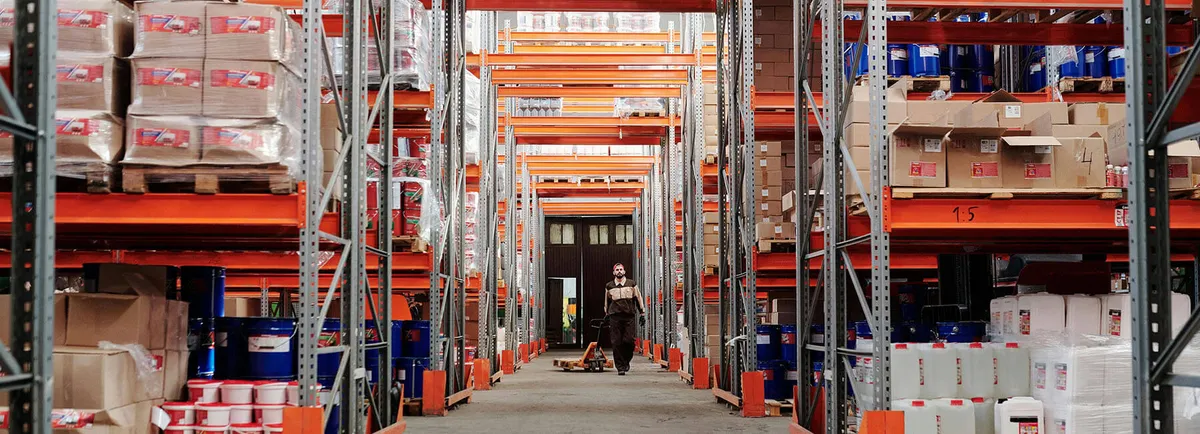
WHERE COSMETICS BREAK
The failure modes that keep coming back
Cosmetics sit at the intersection of product, compliance, and presentation. A unit can be 'physically correct' and still be operationally wrong: wrong language on the label, missing required fields, batch/expiry not captured, or an insert that changes between runs.
Label Drift Between Markets
Fields, language, icons, or placements change and execution lags behind approvals. A shipment to Germany gets the French version; the customer flags compliance issues.
Batch/Expiry Gaps
Batch exists on the unit, but the operating model can't reliably isolate it. When a quality issue surfaces, you can't confidently locate affected inventory.
FEFO Not Enforced
Stock rotates by convenience instead of expiry logic. A customer receives a cosmetic with only 6 months of shelf-life remaining — not acceptable for premium brands.
Presentation vs. Protection Mismatch
Premium pack-out looks right but arrives damaged. A luxury beauty set with glass bottles gets packed in standard foam; the bottles arrive cracked.
Returns Contamination
'Put it back' decisions without quarantine/grade rules mean damaged, used, or opened units re-enter sellable inventory. Compliance risk and quality issues at the customer.
Exception Creep
Temporary relabels/rework become normal flow. Relabeling happens without version control; old and new labels get mixed in storage.
THE COSMETICS TRADE-OFF
Speed without control creates rework you can't clear and risk you can't carry
Everyone wants fast turnaround. But in cosmetics, speed without control creates rework you can't clear and risk you can't comfortably carry. We treat compliance and traceability as written constraints, not 'best effort.' That's how execution stays stable as channels, markets, and product lines expand.
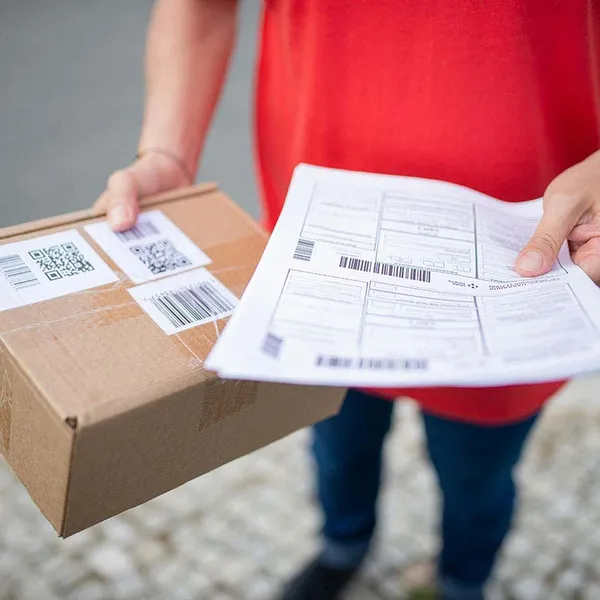
WHAT GOOD LOOKS LIKE
A cosmetic operation that's predictable and auditable
When cosmetics run well, the day-to-day becomes boring in the best sense. The same SKU doesn't get interpreted differently across markets or channels.
- Labeling rules are explicit and versioned (market language, required fields)
- Batch/expiry is captured when relevant (and FIFO/FEFO rules are explicit)
- Inventory stays truthful (system matches the shelf)
- Exceptions have boundaries (quarantine and rework rules, not ad-hoc fixes)
- Returns are triaged (grade rules protect sellable stock)

PEAK READINESS
Peaks require early clarity on labeling versions, batch rules, and pack-out specs
When new SKUs, new markets, or new label versions launch during a peak, drift accelerates. A new market launch coincides with seasonal demand; the team is under pressure; labeling specs aren't locked; wrong versions ship.
- Lock labeling versions per market before the peak window
- Lock batch/expiry handling rules and FIFO/FEFO rotation
- Lock pack-out specs (protection + presentation for fragile products)
- Freeze non-essential changes during the peak window
- Keep a clean exception path so quarantines and rework stay isolated
OPERATING MODEL
Cosmetic readiness as a controlled system
We clarify constraints before we scale throughput. Reliability comes from verified inputs, written label specs, batch/expiry rules when needed, and an exception path that doesn't contaminate inventory.
Receiving with Verification
Pallet count, carton count, batch/lot numbers, expiry dates, label versions, and visible damage. If packaging is dented or seals are compromised, stock goes to quarantine.
Labeling as a Versioned Spec
Market rules, templates, placement, and change control. France requires different allergen symbols than Spain; Germany requires different text than Italy. Version control ensures the approved version ships.
Batch/Expiry Handling
Lots/batches and expiry dates captured as operational data. FIFO/FEFO rules applied as habit. Batch-level inventory so we know which batch is in which location.
Pack-Out That Protects and Presents
Fragile packaging requires clear handling notes, insert specifications, and sealing procedures. A cosmetic set with delicate glass bottles can't be treated like generic beauty boxes.
Returns Triage with Quarantine
Clear grade rules and quarantine logic. Damaged, used, or opened units handled according to your returns policy, not mixed back into sellable inventory.
Documentation and Audit Trail
Inbound documentation, inventory holding records, and outbound traceability. When a retailer or marketplace flags an issue, you have the documentation to respond.
YOUR OPERATIONS BASE IN SPAIN
Valencia region — auditable execution across channels and markets
The operation becomes auditable, and you can prove what was stored, when, and what was shipped to which customer. Inbound documentation, inventory holding records, and outbound traceability create a clean chain of proof.
Talk to OperationsREAL SCENARIOS
Label drift between markets causes compliance flags
A SKU launches in a second market. The label requires a small change. The team treats relabeling as a quick fix. A month later, you have two label versions in the same location and no clean way to prove which batch went where. Our fix: we maintain separate label versions per market and apply the correct version at dispatch. Version control ensures the approved version is what ships.

REAL SCENARIOS
Batch/expiry gaps prevent confident batch isolation
A beauty product has a manufacturing defect. You can't tell which customer received the affected batch because batches weren't captured at dispatch. Our fix: we scan and record batch numbers at receiving, maintain lot-level inventory, and rotate stock so older lots ship first. If a supplier issues a recall, we can identify every location where that lot is stored and every shipment that contained it.
WHO THIS FITS
When this model is a good fit
This approach is a strong fit when you value compliance discipline and margin protection over fast promises.
- Cosmetic brands selling across multiple EU markets with different labeling requirements
- Products requiring batch/expiry tracking and FIFO/FEFO rotation
- Brands where premium packaging and presentation must survive transit
- Operations where returns contamination creates compliance and quality risk
- Mixed channels (D2C + retail/B2B) that need auditable handoffs

LIMITS
Where we draw the line
We don't promise what we can't control.
- No cold chain or temperature-controlled logistics (temperature-sensitive products assessed case-by-case)
- No ADR classes 1 and 7 (hazardous materials)
- Not storage-only without an operational model
- We don't advise on regulatory compliance or approve cosmetic labels — that responsibility stays with you
- If a requirement isn't confirmed in your inputs, we clarify before execution begins

GET STARTED
Map your cosmetic flow — we'll identify where control is leaking
Send us your markets served and SKU snapshot, labeling requirements per market, batch/expiry rules, pack-out expectations, returns policy, and the exceptions you see most. We'll respond with what to standardize first and which controls remove the most repeat surprises.
Map your cosmetic flowFAQ