A D2C Operating Model That Absorbs Peaks Without Losing Control
Speed matters, but most ecommerce pain starts earlier. A SKU arrives with unclear identifiers. Two variants look identical under warehouse lighting. Units ship without the protection they need. None of that is a crisis on day one. It becomes a crisis when volume rises or peaks arrive.
✓ Inventory truth · ✓ Pack-out standards · ✓ Peak readiness
WHERE ECOMMERCE BREAKS
The failure modes that keep coming back
These problems don't require heroics — they require rules, checkpoints, and clean handoffs.
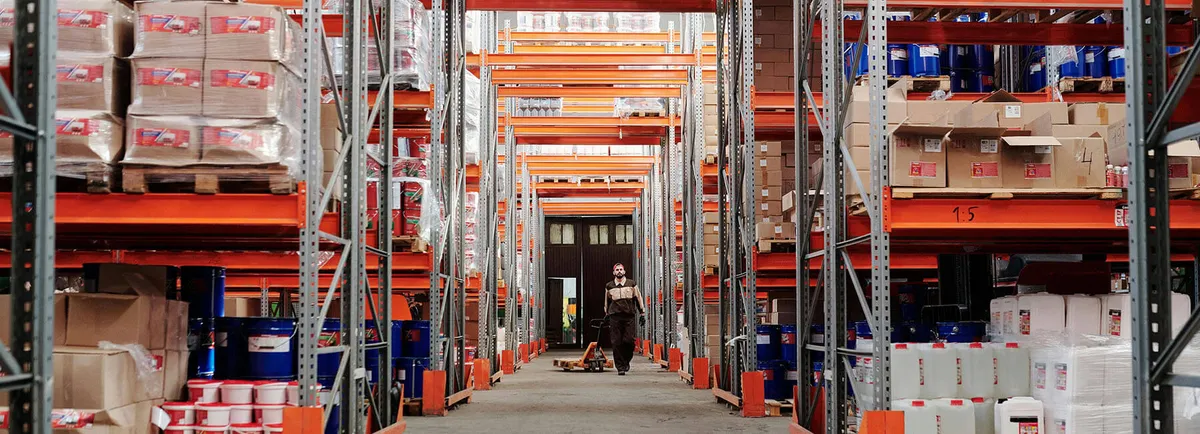
Inbound Ambiguity
Missing expectations, mixed cartons, unclear SKU mapping. Inventory lands without a clean definition of what's arriving.
Variant Confusion
Near-identical products that aren't made unambiguous at receipt. Two color variants look the same in warehouse lighting. Picking accuracy collapses.
Packaging Fragility
'Looks good' packaging that fails under real carrier handling — vibration, crush, stacking. Returns spike from box design, not product quality.
Peak Spikes
Demand rises faster than the operation's error-containment capacity. The ambiguities that worked at 100 units/day fail at 500.
Returns Noise
Returns are processed but not triaged into actionable signals. Patterns — damage, mislabel, sizing — never get connected to fixes in the forward flow.
THE D2C TRADE-OFF
Protection, presentation, and cost can't be balanced by guesswork
Ecommerce packaging lives in a real trade-off: protect the product so it arrives undamaged, keep presentation consistent so unboxing meets expectations, and avoid paying for empty air through oversizing. When those constraints aren't written down, pack-out drifts. One shift optimizes for speed, another prioritizes presentation, and the inconsistency shows up as damage claims, returns, and dimensional weight waste.
WHAT GOOD LOOKS LIKE
A D2C operation that feels easy to run
'Easy' doesn't mean simple products. It means the flow is explicit, decisions don't move around between shifts, and inventory behaves like a source of truth.
- Inventory stays truthful: system matches the shelf
- Variants are unambiguous: picking doesn't invite mistakes
- Pack-out is consistent: protection and presentation don't drift with effort levels
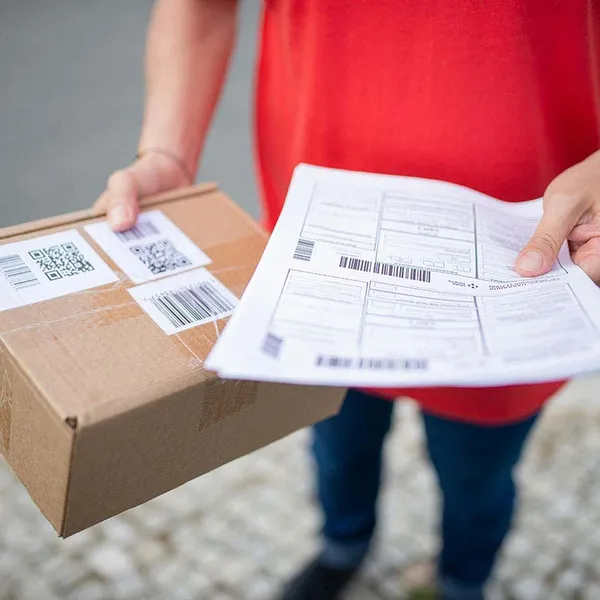
- Handoffs are controlled: labels, docs, carrier steps are not guesswork
- Returns feed learning: triage prevents repeat failures

PEAK READINESS
Peaks are rarely a volume problem — they're an ambiguity problem
Most teams can pick faster for a week. What breaks during peaks is consistency: exceptions multiply, inputs arrive messier, and small uncertainties turn into rework that cascades.
- Lock a stable SKU/variant map and keep versions controlled
- Standardize pack-out rules so protection doesn't degrade under speed
- Keep a clean exception path so 'we'll figure it out later' doesn't become the workflow
- Freeze non-essential changes during the peak window
OPERATING MODEL
Ecommerce fulfillment as a controlled system
We run a defined operational flow with explicit controls at each step. The practical rule is simple: we clarify inputs before we move fast.
Receiving with Verification
Verify what arrived against what was expected. Mixed cartons identified, SKU mapping confirmed, damaged units quarantined.
Inventory Truth
Clear SKU definitions, status logic (sellable, WIP, quarantine), traceability when the product requires it. System matches the shelf.
Pick & Pack Consistency
Pick accuracy from clarity, packing quality from repeatable rules. Variants presented clearly, QC checkpoints catch drift.
Dispatch with Controlled Handoffs
Labels, documentation, and carrier steps as part of the spec. Shipping data is clean. Not tribal knowledge.
Returns Triage
Separate sellable from non-sellable. Identify damage, labeling errors, sizing confusion. Patterns flow back to fix the forward flow.
Packaging Standards
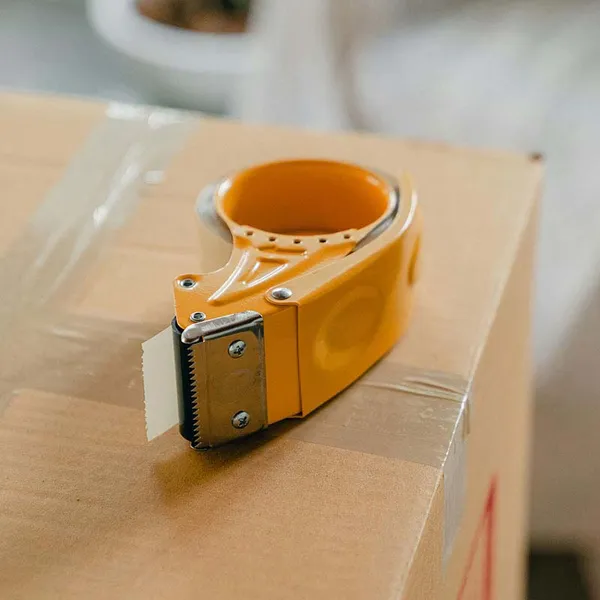
Protection, presentation, and dimensional weight defined as executable rules — not preferences that drift between shifts.
YOUR OPERATIONS BASE IN SPAIN
Valencia region — close to the port, designed for controllable growth
Short handoffs from port to warehouse reduce handling and delay. We coordinate container moves and local drayage so the inbound leg doesn't become a separate logistics project.
Talk to OperationsREAL SCENARIOS
Mixed inbound cartons cause picking errors
The receiving dock gets a pallet labeled 'Variant A' that contains three colors mixed together. Pickers pull randomly. Returns spike because customers receive the wrong variant. Our fix: inbound verification unpacks mixed cartons on arrival. Each variant is segregated, counted, and mapped. Picking never sees an ambiguous carton.

REAL SCENARIOS
Pack-out drifts, causing damage and returns
Day shift prioritizes protection and uses generous cushioning. Night shift optimizes for speed and uses minimal padding. Carriers handle both the same way. One gets damaged; the other survives. Our fix: pack-out specifications are written and enforced. Cushioning type, thickness, and placement are documented. QC samples packs from each shift.
WHO THIS FITS
When this model is a good fit
This approach is a strong fit when you value predictability and margin protection over fast promises.
- Growing D2C brands with SKU/variant complexity and frequent inbound arrivals
- Brands that face seasonal peaks, launch spikes, or paid traffic surges
- Products where packaging design directly affects return rates
- Operations where inventory truth has become a recurring problem
- Brands shipping across the EU and UK where inconsistency gets expensive fast

LIMITS
Where we draw the line
We don't promise what we can't control.
- No cold chain or temperature-controlled logistics
- No ADR classes 1 and 7 (hazardous materials)
- Not storage-only without an operational model
- If a requirement isn't confirmed in your inputs, we clarify before execution begins

GET STARTED
Map your current flow — we'll identify where control is leaking
Send us your SKU structure, inbound profile, order patterns, packaging approach, and returns reality. We'll respond with what to standardize first and which controls remove the most repeat surprises.
Map your flowFAQ