An Operating Model That Keeps Variants and Returns Boring
Fashion breaks when the unit is ambiguous: size/color variants that look identical, barcodes drifting, or returns contaminating stock. Small ambiguity becomes constant rework under drops and seasonal peaks.
✓ Variant identity · ✓ Pack-out specs · ✓ Returns triage
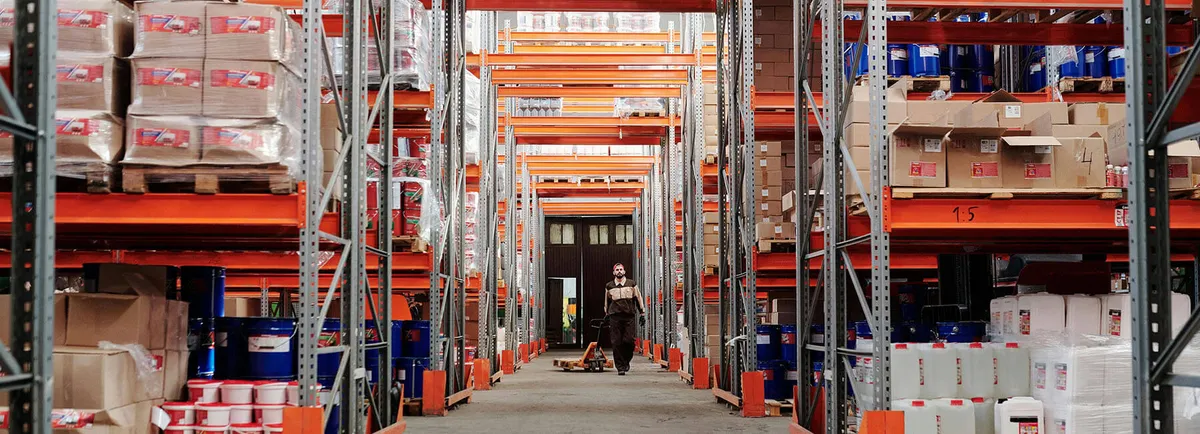
WHERE FASHION BREAKS
The failure modes that keep coming back
Fashion is a variant business. The operation lives or dies on clarity: what exactly is this unit, what exactly should it look like at dispatch, and what happens when it comes back.
Variant Ambiguity
Similar SKUs, inconsistent size labels, colorways that look the same in bins. Two near-identical variants in adjacent locations invite picks to the wrong bin.
Barcode Drift
New runs ship with changed barcodes or mixed labels without a clear rule. The picker scans the right unit but it's the wrong version.
Presentation Drift
Folding, tissue, inserts, hangtags, seals applied inconsistently across shifts. Customers notice. Returns increase.
Protection Mismatch
Polybags, cartons, or void fill not aligned to product fragility and returns expectations. Damaged garments look like quality failures.
Returns Contamination
'Put it back' decisions without a grade, leading to repeat returns and disputes. A stain that failed quality on day one gets re-stocked and returned again.
SPEED VS. CONSISTENCY
Fashion rewards consistency, not just speed
Everyone wants faster turnaround, especially during drops and promotions. But if you optimize for speed without locking the unit definition and the pack-out spec, you pay later — through mis-picks, inconsistent presentation, and returns noise. We treat the sellable unit as a written constraint, and we treat pack-out as a specification. That's how the operation stays stable as SKUs, seasons, and collections change.

WHAT GOOD LOOKS LIKE
A fashion operation where the day-to-day is boring
When variant identity is fuzzy, the same symptoms repeat: mis-picks between near-identical sizes/colors, presentation drift, damaged units, and returns that re-enter stock as 'probably ok.' None of this feels dramatic — until it shows up as higher return rates, more customer service load, and margin leaking through quiet rework.
- Variant identity is explicit: SKU/size/color mapped to barcode with clear rules
- Pack-out is a written spec: folding, inserts, tissue, seals don't drift between shifts
- Inventory stays truthful: system matches the shelf
- Returns are triaged: grade rules protect sellable stock
- Exceptions have boundaries: nonconforming stock stays segregated

PEAK READINESS
Drops, sales windows, and seasonal transitions don't just add volume — they add change
New variants, new packaging, new inserts, and more last-minute decisions. A peak doesn't fail on day one. It fails on day three, when exceptions become the normal path and the operation starts drifting.
- Lock variant rules (SKU structure, barcode logic, where size/color lives)
- Lock pack-out specs (folding, inserts, tissue, seals, protection)
- Lock returns grading rules (sellable, rework, nonconforming)
- Freeze non-essential change during the peak window
- Keep a clean exception path (segregation and rework rules, not ad-hoc decisions)
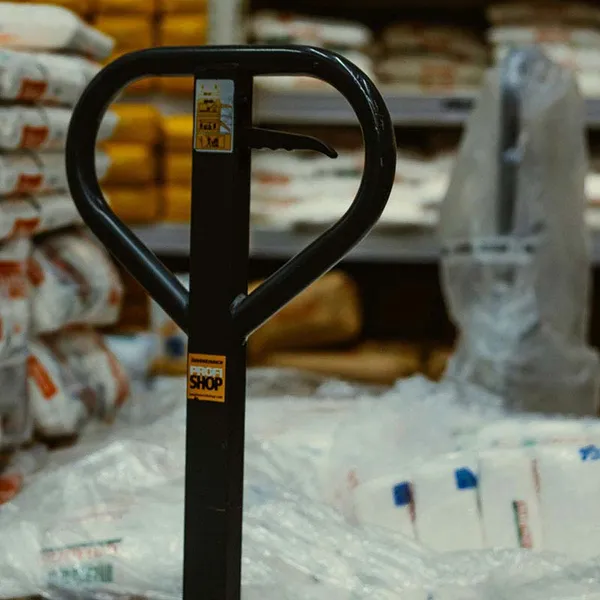
OPERATING MODEL
Variant truth, pack-out spec, returns triage
We clarify the unit and the spec before we scale throughput. Reliability comes from explicit variant rules, written pack-out specs, inventory truth, and returns triage that doesn't contaminate stock.
Variant Identity That Stays Stable
Explicit rules for size/color logic, barcode assignment, and version control. Similar items separated by location and barcode. No guesswork.
Pack-Out as a Written Spec
Folding, inserts, tissue, seals, and protection treated as repeatable instructions. Pack-out samples kept as reference so execution doesn't drift between shifts.
Inventory Truth
System matches the shelf. Reconciliations happen when reality and system disagree. Shrinkage or discrepancies are recorded and trigger review.
Returns Triage with Grade Rules
Sellable, rework, nonconforming. Acceptance thresholds and re-stocking rules confirmed upfront so every returns processor applies the same standard.
Exceptions with Boundaries
Nonconforming stock stays segregated. Rework is defined by specification. Stained garments don't go back to sellable shelving without passing agreed checks.
Variant Proof
Dispatch photos and pack verification logs so disputes can be resolved with evidence, not memory. When returns come with wrong-size complaints, we trace the barcode.
OPERATING BASE
Valencia region, Spain — practical access and controllable flow
For fashion brands shipping across Spain and the EU, Valencia is a practical base — especially when you run drops, need clean returns triage, and want pack-out consistency to survive peaks.
Talk to OperationsREAL SCENARIOS
Near-identical variants cause wrong-size shipments
A size small and size medium t-shirt in the same color look the same at arm's length. Pickers pull from adjacent bins. Customers receive the wrong size and return. Our fix: we flag these pairs in our location system and force physical separation or enhanced labeling. Bin discipline and barcode verification prevent the most common fashion error.

REAL SCENARIOS
Presentation drift between shifts drives returns
A folded garment should look the same at 8 a.m. and 4 p.m. If tissue type changes, if inserts are optional, or if hang-tags vary by channel, these become written constraints. Our fix: pack-out specifications are documented with reference photographs. QC samples packs from each shift so consistency doesn't degrade under speed pressure.
WHO THIS FITS
When this model is a good fit
This approach is a strong fit when you value predictable execution over fast promises.
- Fashion brands with high variant density (size/color complexity)
- Teams running drops and seasonal transitions that create change pressure
- Operations where returns are high enough to require true triage and grade rules
- Brands that care about presentation consistency as a controllable spec
- Mixed channels (D2C + retail/B2B) that need clear boundaries

LIMITS
Where we draw the line
We don't promise what we can't control.
- No cold chain or temperature-controlled logistics
- No ADR classes 1 and 7 (hazardous materials)
- Not storage-only without an operational model
- If a requirement isn't confirmed in your inputs, we clarify before execution begins

GET STARTED
Map your fashion flow — we'll tell you where control is leaking
Send us your SKU/variant structure and barcode logic, a pack-out spec (or examples of good vs bad dispatch), your returns policy, your drop/peak calendar, and the exceptions you see most. We'll respond with what to standardize first and which controls remove the most repeat surprises.
Map your fashion flowFAQ