A Controlled Factory-to-Channel Flow That Absorbs Variability Without Losing Control
Manufacturing doesn't break at the warehouse door. It breaks in the gap between what the factory produces and what the channel expects: a pallet of 'finished goods' with mixed lots, packaging that's not channel-ready, labels that change between runs, or rework that isn't isolated.
✓ Verified receiving · ✓ Inventory truth · ✓ Spec-driven packaging
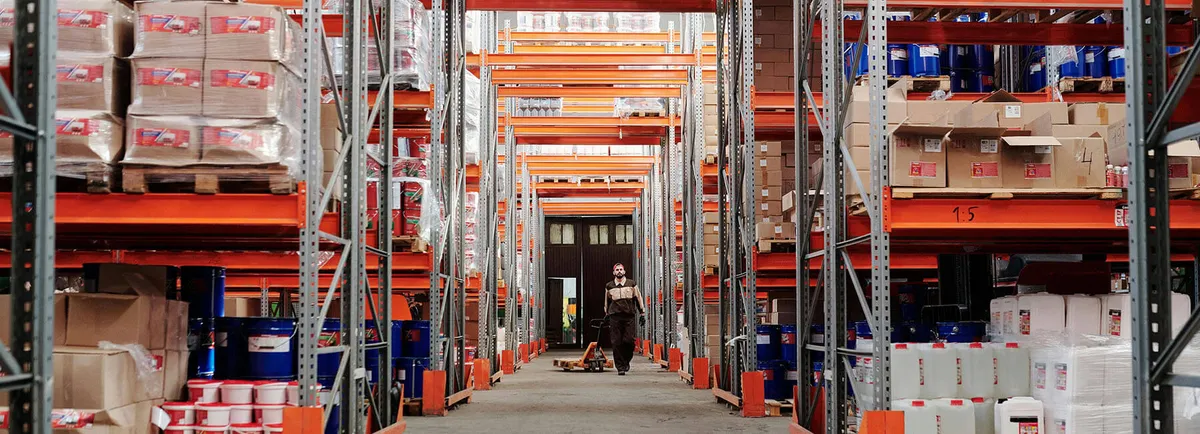
WHERE MANUFACTURING BREAKS
The failure modes that keep coming back
A manufacturer doesn't lose margin because picking is slow. Margin leaks through repeat ambiguity: mixed lots, inconsistent pack configuration, unclear sellable-unit definitions, and exceptions that contaminate normal stock.
Run-to-Run Drift
Labels, inserts, carton configuration, or sealing methods change between batches without documentation. What looks like a small change creates picking errors, pack inconsistencies, and customer rejects downstream.
Sellable-Unit Ambiguity
What counts as 'one unit' differs between factory, warehouse, and channel. The factory calls a unit a single item; the warehouse thinks it's a pack of 3; the retailer expects inner packs of 6.
Mixed Lots
Lots/batches are mixed on pallets or within cases, killing traceability. When a quality issue surfaces, you can't confidently locate or isolate the affected production run.
Packaging Mismatch
What protects the product in transit isn't aligned to the channel's reality. A carton that looks great in the factory fails after a 48-hour road haul and several days of retail shelf stacking.
Rework Bleed
Reprocessing and relabeling leak into normal stock instead of staying isolated. Returns get mixed with sellable inventory, and the warehouse loses the ability to report what was actually reworked.
Master Data Gaps
Missing dimensions, weights, barcodes, pack config, or handling notes mean the warehouse must make assumptions. This leads to wrong pack-outs, failed scans, and customer complaints.
THE MANUFACTURER TRADE-OFF
Speed without consistency creates downstream corrections you can't clear
Everyone wants to move production out quickly. But speed without consistency creates downstream corrections you can't clear. We treat 'finished goods' as a verifiable state, not a label. We treat inventory as living — what the system says must exist on the shelf. That's how the operation stays stable as SKUs, batches, and channel requirements grow.
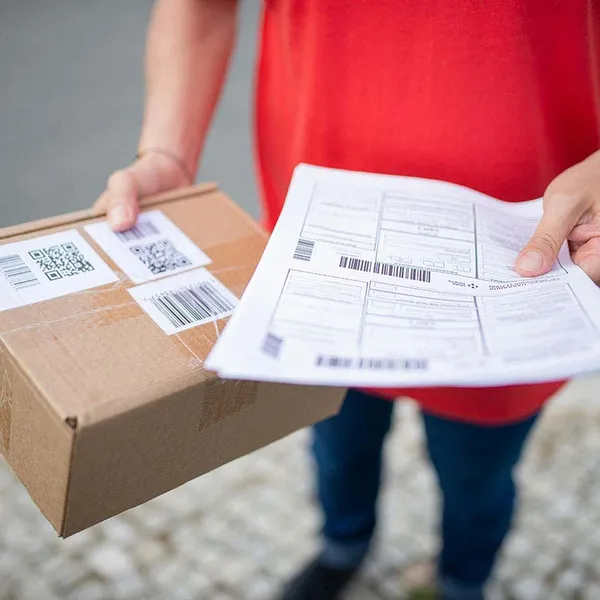
WHAT GOOD LOOKS LIKE
A factory-to-channel operation that's predictable to run
When manufacturers run well with a 3PL, the day-to-day becomes boring in the best sense. Each production run doesn't require interpretation.
- Receiving is verified against what was expected (before storage)
- Inventory stays truthful (system matches the shelf)
- Lots/expiry are captured when relevant (FIFO/FEFO rules are explicit)
- Packaging and labeling are defined as a spec (not 'how we did it last time')
- Exceptions are segregated and resolved by rule (not memory)

PEAK READINESS
Peaks don't fail on day one — they fail on day three
Peaks fail when exceptions become the normal path. New SKUs without clean identifiers, packaging tweaks without a spec, and 'we'll sort it later' become the process.
- Lock a stable item master and keep versions controlled
- Standardize packaging and labeling specs so they survive shifts and batches
- Keep a clean exception path so rework doesn't contaminate inventory
- Freeze non-essential changes during the peak window
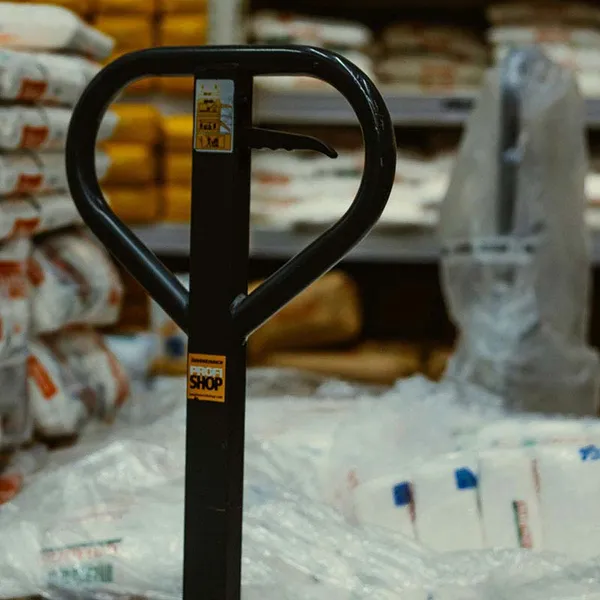
OPERATING MODEL
Manufacturer readiness as a controlled system
We verify inputs before we scale throughput. Reliability comes from verified receiving, explicit specs for packaging/labeling, disciplined lot handling when needed, and an exception path that doesn't contaminate inventory.
Receiving with Verification
Verify what arrived against what was expected. Pallet count, carton count, label version, barcode scans, and visual quality issues. Nonconforming stock segregated immediately.
Inventory Truth
Reconciliations happen when reality and system disagree. If your system says 500 units and we count 495, we find the 5 missing before inventory is deemed available.
Specs That Survive Shifts
Packaging, labeling, inserts, and pack configuration treated as written specs with version control. The old version doesn't accidentally ship.
Traceability When Required
Lots/batches, expiry dates, FIFO/FEFO — applied when they matter, documented as rules, and operated as a habit.
Outbound Handoffs with Proof
Every pallet leaves the dock with proof: manifest, packing list, barcode scan, and photographic evidence. Each channel receives what was built to their specification.
Variable Cost Model
Warehouse capacity adjusts with distribution demand. Buffer, staging, and pallet building without forcing the production team to manage logistics.
YOUR OPERATIONS BASE IN SPAIN
Valencia region — the factory stays focused on production
The warehouse absorbs buffer capacity, staging, and pallet building without forcing the production team to manage logistics. When volume increases, we scale; when it decreases, you pay for what you use, not for idle space.
Talk to OperationsREAL SCENARIOS
Run-to-run label drift causes retailer rejects
A label supplier makes a small adjustment to font size. Nobody documents it. Three weeks later, a retailer rejects a pallet because the barcode doesn't scan reliably. Our fix: packaging, labeling, inserts, and pack configuration are treated as written specs. Version control keeps drift from entering the process. When a label changes, that change is versioned and applied consistently going forward.

REAL SCENARIOS
Rework bleeds into sellable inventory
A batch is relabeled for a market change. The old labels get mixed with new labels in the same location. Returns get mixed with sellable inventory. Our fix: rework is isolated from normal stock. Reprocessing and relabeling stay segregated, and the warehouse reports what was actually reworked. Exception paths have clear boundaries.

WHO THIS FITS
When this model is a good fit
This approach is a strong fit when you value predictability and margin protection over fast promises.
- Manufacturers with multiple production runs and batch complexity
- Products where packaging and labeling drift between runs
- Operations where sellable-unit definitions differ between factory, warehouse, and channel
- Products requiring lot/expiry traceability (FIFO/FEFO)
- Mixed channels (B2B/retail/eCommerce) with different pallet and labeling requirements

LIMITS
Where we draw the line
We don't promise what we can't control.
- No cold chain or temperature-controlled logistics
- No ADR classes 1 and 7 (hazardous materials)
- Not storage-only without an operational model
- If a requirement isn't confirmed in your inputs, we clarify before execution begins

GET STARTED
Map your factory-to-channel flow — we'll identify where control is leaking
Send us your item master snapshot, packaging/labeling specs, inbound profile, channels served, traceability requirements, and the exceptions you see most. We'll respond with what to standardize first and which controls remove the most repeat surprises.
Map your factory-to-channel flowFAQ