Packaging for Shipping That Prevents Damage and Keeps Costs Predictable
Packaging is not a catalog on this page. It is the outbound layer that protects the product in transport, keeps presentation consistent when it matters, and stops dimensional weight from quietly eroding margin. We treat packaging as part of the operation: materials, cartons, inserts, and pack-out rules that a team can execute consistently at warehouse speed.
✓ Clear protection · ✓ Clean pack-out · ✓ Less dimensional waste
CORE SCOPE
Packaging for shipping that prevents damage and keeps costs under control
We focus on what changes outcomes in transport and what keeps packing consistent on the floor. The scope is outbound protection built to run at warehouse speed.
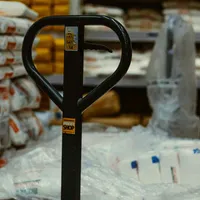
Protection Model
We translate your real risk into constraints: drop, crush, vibration, abrasion, leakage, cosmetic sensitivity. Packaging decisions driven by failure modes, not preferences.

Carton Strategy and Strength Matching
Select carton sizes and strength assumptions that fit the product and the route reality (stacking, long lanes, seasonal heat/cold), so cartons don't only work in ideal handling.
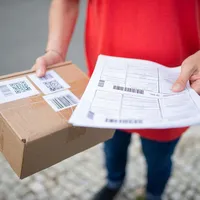
Movement Control and Cushioning
Define how movement is limited inside the carton (void fill, inserts, sleeves, wraps, corner/edge protection) so the weak point is protected without overpacking everything.

Right-Sizing and Dimensional Weight
Reduce wasted volume where it actually matters, without pushing the product into a damage-prone box. Fewer dimensional surprises, not fragile savings.

Inserts and Branded Elements
Branded unboxing, visibility constraints, and retail-adjacent requirements treated as explicit constraints so presentation stays repeatable without breaking protection.

Presentation Rules
What must remain visible, what must not be compressed, and what needs consistent placement. The result stays repeatable on the floor.

Custom Carton and Insert Design
Custom packaging when it removes recurring damage, reduces volumetric waste at scale, or prevents a workflow from becoming fragile. Spec-led, designed to be fast to pack.

Channel-Specific Packaging Constraints
Closure and reinforcement rules, tape type, H-taping/strap rules, and exception handling so the spec improves instead of drifting when materials or order content changes.
HOW WE RUN PACKAGING
Risk, constraints, pack-out spec that stays consistent
We start with reality: what breaks, where it breaks, and why. Then we turn it into a practical spec that a team can follow at warehouse speed.
- Identify risk and failure modes: drop, crush, vibration, abrasion, leakage, cosmetic sensitivity
- Define constraints: weak points, acceptable movement, cosmetic tolerance, channel requirements
- Select materials and carton strategy, validate with small runs, standardize the pack-out

OPERATIONAL EVIDENCE
Packaging specs we like: simple, executable, hard to misread
A good spec is not a long document. It is a clear set of decisions that a team can follow. If the spec is unclear, we don't accelerate; we clarify.
- Approved carton size(s) and strength assumptions
- Protection method (insert/void fill/cushioning) and quantity rules
- Orientation, stacking, and 'do not compress' constraints (when relevant)
- Closure method and reinforcement rules
- Exception handling (what to do when cartons arrive mixed, or materials are missing)

YOUR OPERATIONS BASE IN SPAIN
3PL Spain — built to keep logistics simple
We combine a warehouse operation in the Valencia region with product and channel know-how to reduce friction and keep daily execution predictable.
Talk to OperationsSIGNALS
When packaging problems show up as patterns
Most packaging problems don't show up in the first shipment. They show up later as patterns: corner crush, vibration damage, cosmetic returns, leakage, and cartons that work until a carrier, route, or season changes.
- Damage patterns that repeat across routes or seasons
- Oversized cartons that quietly erode margin through dimensional weight
- Material waste from undefined or drifting pack-out rules

LIMITS
What we won't claim (and what we do instead)
We don't publish made-up benchmarks or guaranteed breakage reductions. Packaging outcomes depend on product fragility, carrier handling, route, season, and the constraints you accept. What we can do is make the process explicit, validate it, and keep it consistent.
- Not a packaging manufacturer: we spec and execute, not produce materials
- Design is spec-led for warehouse speed, not art-directed
- No guaranteed breakage reductions: outcomes depend on constraints you accept
- If the spec is unclear, we clarify before accelerating
STRATEGIC LOCATION
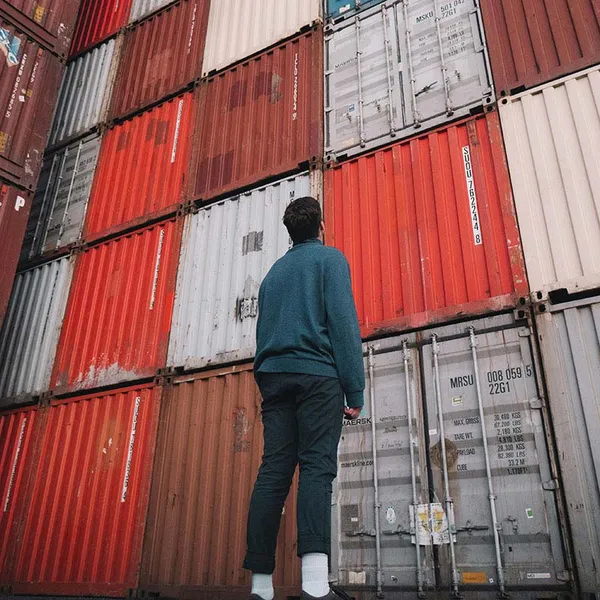
Valencia region, Spain — close to the port, designed to keep things simple
The Port of Valencia is close enough to keep inbound and outbound practical. When container moves are part of the picture, we coordinate through a trusted logistics partner so the transition into receiving is clean and predictable.
Contact usGET STARTED
Map your packaging flow with us
If you want a useful reply (not generic suggestions), send us what we need to scope a clean operational plan.
- Product dimensions, weight, and fragility notes
- Current packaging approach (carton size, fill, inserts)
- Where damage shows up (what breaks, under what conditions)
- Shipping profile (countries, carriers, service level, typical order contents)
- Channel constraints (retail rules, marketplace-adjacent requirements, presentation)
FAQ