Value-added services (VAS) in Spain designed for repeatability
VAS is where raw components become finished goods. Kitting, assembly, labeling, inserts, and presentation standards — all governed by specs, BOMs, and WIP logic. We don't improvise builds; we define them, control the components, and execute with segregation.
✓ BOM-controlled · ✓ WIP segregation · ✓ Repeatable output
VALUE-ADDED SERVICES
Kitting, assembly, BOM control, labeling, channel prep
We run VAS as a controlled production step with defined specs, component tracking, and WIP segregation — not as an ad-hoc activity squeezed between receiving and shipping.
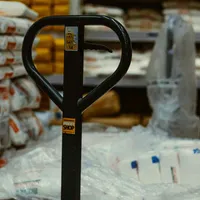
Kitting and Pack Builds
Combining multiple SKUs into a single sellable unit with defined pack specs, component lists, and repeatable assembly sequences.

Assembly (Light to Complex)
From simple insert-and-seal to multi-step builds with tooling. Each assembly has a defined sequence, quality gate, and output spec.

BOM Discipline and Component Control
Every build starts from a bill of materials. Components are tracked, allocated, and reconciled so shortages and mismatches are caught before assembly.

WIP Segregation and Status Logic
Work-in-progress is physically and logically separated from raw materials and finished goods. Every unit has a status: pending, in-process, completed, or held.

Inclusion and Insertion Rules
Inserts, leaflets, samples, and promotional items follow defined rules: what goes in, when it goes in, and what triggers a change.
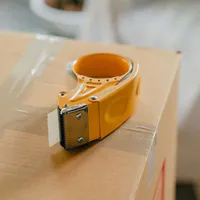
Labeling as Part of VAS
Labels applied during VAS follow the same control logic: label maps, placement rules, version control, and verification checkpoints.

Presentation Standards
Finished goods meet defined presentation criteria: folding, wrapping, positioning, and pack-out standards that match your brand or channel requirements.

Channel and Marketplace Preparation
Products prepared to meet specific channel requirements: FBA prep, retail compliance, marketplace labeling, and packaging standards per destination.
HOW WE RUN VAS
Define the spec, control the components, execute with segregation
VAS starts with a spec sheet that defines the finished good: what goes in, how it is built, what it looks like when done. Components are controlled via BOMs. Execution uses WIP segregation so nothing ships until the build is verified.
- VAS spec sheet defines the finished good before any build starts
- BOM rules control component allocation, substitution, and reconciliation
- WIP segregation keeps raw, in-process, and finished goods physically separate
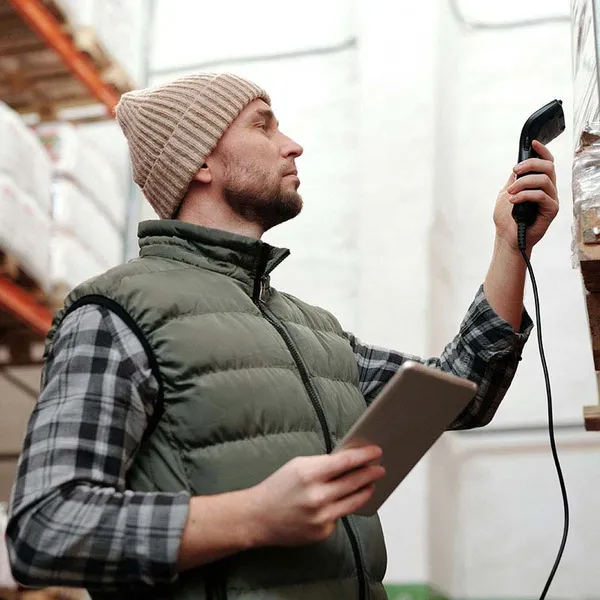
OPERATIONAL EVIDENCE
So VAS output is traceable, not assumed
Every build is documented against the spec. Component consumption is reconciled against BOMs. Exceptions are logged with root cause and resolution.
- VAS spec sheet per finished good with visual references
- BOM rules with component tracking and reconciliation
- WIP status logic showing unit progression through build stages
- Exception log for component mismatches, build errors, and holds

YOUR OPERATIONS BASE IN SPAIN
3PL Spain — built to keep logistics simple
We combine a warehouse operation in the Valencia region with product and channel know-how to reduce friction and keep daily execution predictable.
Talk to OperationsCONTINUOUS IMPROVEMENT
Component mismatches and assembly drift are signals
When components don't match BOMs, or assembly output drifts from spec, it means the process has a gap. We track these patterns to tighten rules and prevent recurrence.
- Component mismatches trigger BOM review and supplier feedback
- Assembly drift is caught at QC gates and corrected at root cause
- Inclusion errors are logged and insertion rules updated

LIMITS
VAS produces a finished good; fulfillment ships it
VAS and fulfillment are connected but distinct. VAS takes components and produces a finished good. Fulfillment takes that finished good and ships it. Mixing the two creates ambiguity about what is built and what is shipped.
- VAS output is a finished good with its own SKU and spec
- Fulfillment picks, packs, and ships finished goods
- Combining VAS and fulfillment in one flow requires clear handoff points
- We do not design products — we build to your spec

STRATEGIC LOCATION
Valencia region, Spain — close to the port, designed to keep things simple
The Port of Valencia is close enough to keep inbound and outbound fast. Good road and rail connections to the rest of Spain and Europe.
Contact usGET STARTED
Scope your VAS flow with us
Tell us what you need built, what components are involved, and what the finished good looks like. We will scope a VAS spec, define BOMs, and plan execution before any build starts.
- What you need built: kits, assemblies, bundles, or custom packs
- Components involved: types, quantities, sourcing, and lead times
- Output spec: what the finished good looks like and how it is packed
- Volume and frequency: batch sizes, seasonality, and channel mix
FAQ