Our Facilities — Warehouse Operations in Spain
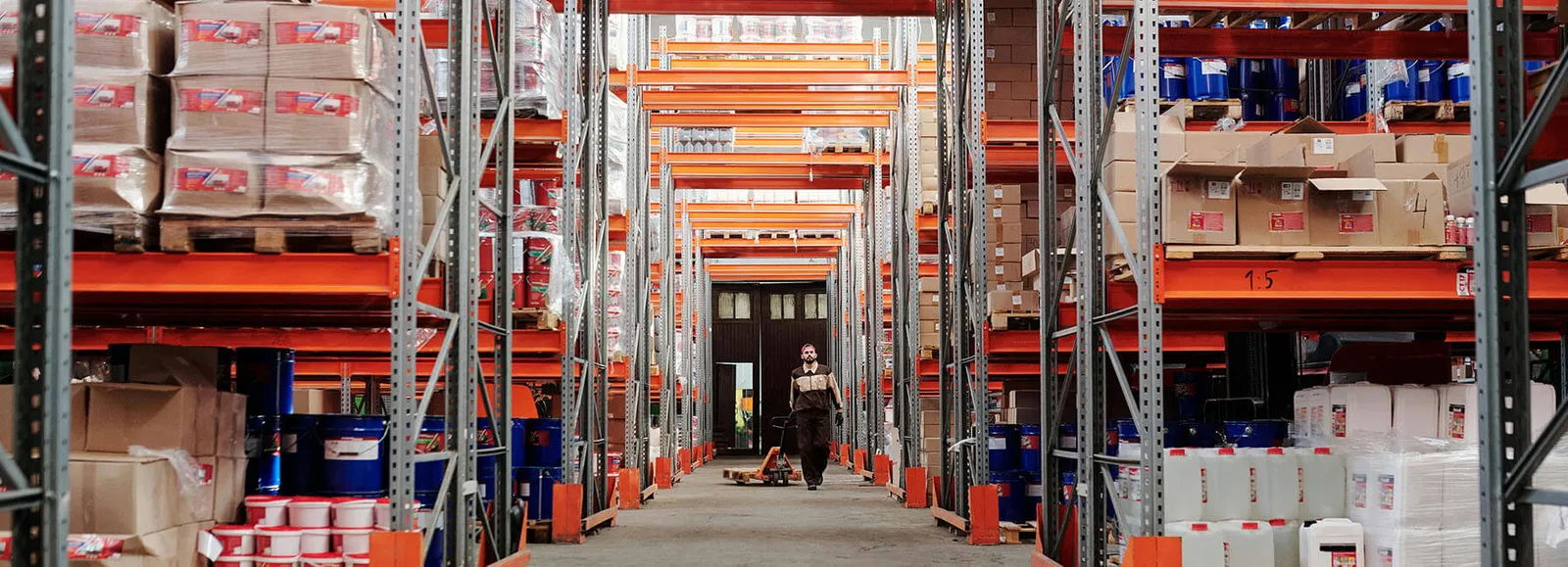
3PL SPAIN operates a warehouse on the eastern coast of Spain, close to the port. The facility is set up for mixed operations: inbound verification, controlled storage, pick and pack, value-added work, and dispatch. This page describes what it handles well, what it doesn't, and the constraints that matter when you're deciding whether it fits your flow.
- Defined inputs
- Controlled checks
- Clear handoffs
WHAT THE FACILITY HANDLES
What the facility handles
The warehouse is built around controlled mixed-use operations — the same space runs inbound, storage, order preparation, value-added work, and outbound. Zones are separated by operational function, not just by product, to keep flows from interfering with each other.
Inbound and receiving. Containers and pallets are received at the dock. Every inbound goes through a verification routine against the expected delivery — count, condition, and SKU confirmation — before goods are released into storage. Discrepancies are documented before putaway, not discovered later during a stock count.
Controlled storage. Goods are stored in a structured location system with access controls and movement logging. The facility is ambient temperature — not temperature-controlled. Storage supports lot and batch segregation and FIFO rotation when the product or channel requires it; lot and expiry tracking (FEFO) is validated before we accept the flow.
Pick and pack and order preparation. Dedicated packing stations run the pick-and-pack workflow with defined standards per SKU or order type. VAS (kitting, labeling, relabeling, product preparation) runs in a separate production area with controlled WIP and inspection checkpoints.
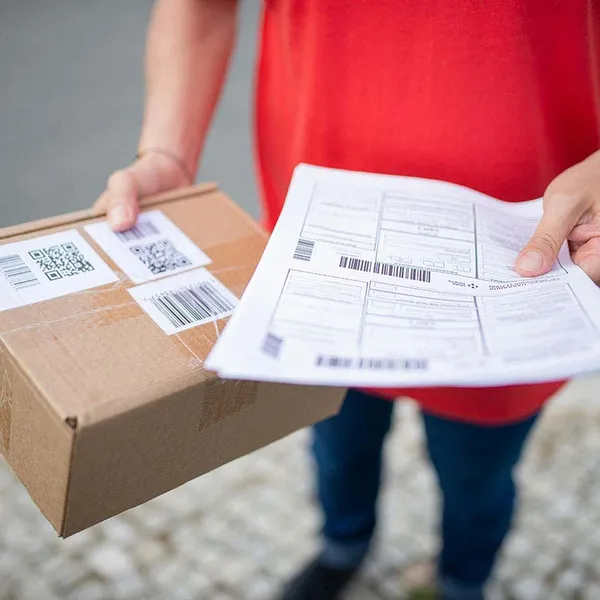
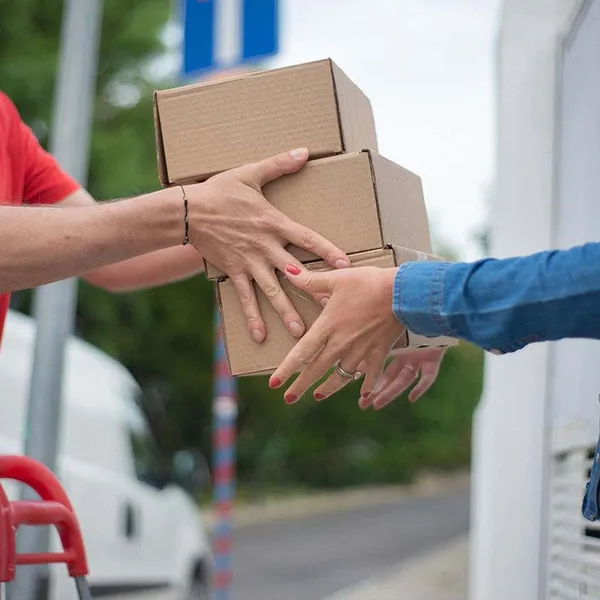
Outbound and dispatch. Outbound goods are staged by carrier and departure window. Dispatch closes with label application, weight check, and carrier handoff documentation.
WHAT PRODUCTS FIT THIS FACILITY WELL
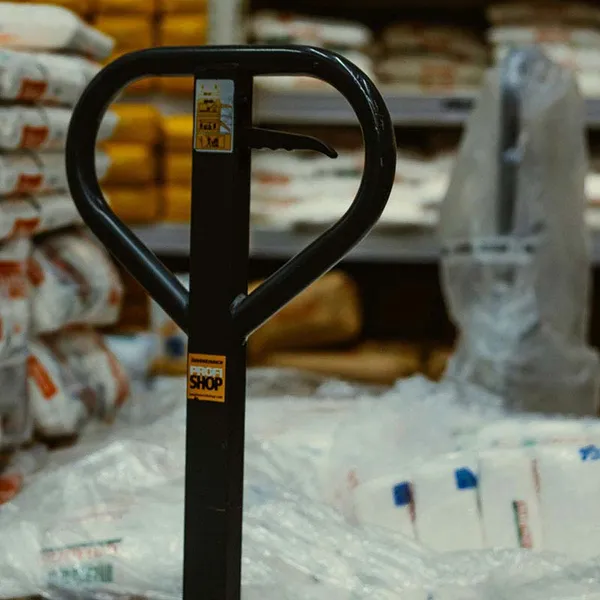
What products fit this facility well
Not every product type is a natural fit for this operation. Being direct about this prevents mismatches.
Good fit:
Challenging or outside scope:
If your product sits in a grey area, the honest answer is: bring us the specifics and we'll tell you whether it's a good fit before we start.
- Consumer goods with defined SKU structure (apparel, cosmetics, beauty, household, books, tech accessories — products with lithium batteries are reviewed case by case before we accept them)
- Products requiring lot/batch tracking (lot and expiry tracking and FEFO are validated before we accept the flow)
- SKU catalogs with moderate complexity — multiple variants, sizes, or configurations managed through clear identifier rules
- Products requiring labeling, relabeling, kitting, or value-added preparation before dispatch
- B2B and ecommerce mixed operations for the same brand with separate defined workflows
- Not accepted: temperature-sensitive or cold chain products (pharmaceuticals requiring refrigeration, fresh food, certain biotech)
- Not offered for now: food products, including food supplements
- Challenging: extremely high-velocity single-SKU bulk operations where order preparation is minimal and volume is the primary driver
- Outside scope: oversized or heavy industrial goods that require specialist handling equipment
- Not accepted: ADR / dangerous goods, of any class

STRATEGIC LOCATION
Port-side operations on the eastern coast of Spain
The Port of Valencia is the largest container port in the Mediterranean and a primary entry point for goods arriving in Spain from the Americas, Asia, and North Africa. For brands importing product and distributing across Spain and southern Europe, a port-side operation shortens the drayage from container to warehouse and reduces the time between arrival and goods available to pick.
Distribution from this base covers Spain, Portugal, and southern France with competitive transit times, and connects efficiently with EU corridors for wider European distribution. For ecommerce brands, this means faster replenishment cycles from import to order readiness. For B2B clients, it means a shorter and more controllable inbound chain.
OPERATIONAL CONSTRAINTS
Operational constraints
Being explicit about what doesn't fit the facility is more useful than a list of features.
No temperature control. The facility operates at ambient temperature. Cold chain, refrigerated storage, and temperature-sensitive goods (pharma, fresh food, certain cosmetics) are outside our scope.
No ADR / dangerous goods, of any class. Products with lithium batteries are reviewed case by case, with their safety data sheet, before we accept them.
Size and volume. The facility runs mixed operations. It is suited for small and medium-volume operations with defined flows and controlled SKU complexity. Very high-velocity, single-SKU bulk operations with minimal handling requirements are generally a better fit for a dedicated bulk warehouse.
Access and confidentiality. The facility is not open to unscheduled visits. Client visits are managed under a protocol that protects the confidentiality of all operations — no client identifies another client's product, volumes, or identity. This is not a security inconvenience; it's a standing operational commitment.
WHAT HAPPENS AT THE FACILITY DURING ONBOARDING
What happens at the facility during onboarding
Before your product arrives, we confirm the operational requirements with you: SKU identifiers and handling rules, inbound format (cartons, pallets, containers), storage logic (FIFO, lot segregation, expiry requirements), and pack standards. The goal is that the first inbound shipment runs against a defined expectation, not against whatever we assumed.
For new clients, we typically run a controlled pilot: a limited first inbound and a small batch of orders, before scaling. This protects both sides and allows the operating spec to be refined before volume arrives.

FAQ
Frequently Asked Questions
Where is the 3PL SPAIN warehouse located?
Is the warehouse temperature controlled?
Can you receive containers directly from the port?
How much storage capacity do you have?
Can I visit the warehouse?
NEXT STEP
Map your flow with us
Share the operational context and we will identify what needs to be clarified before execution starts.
Map your flow